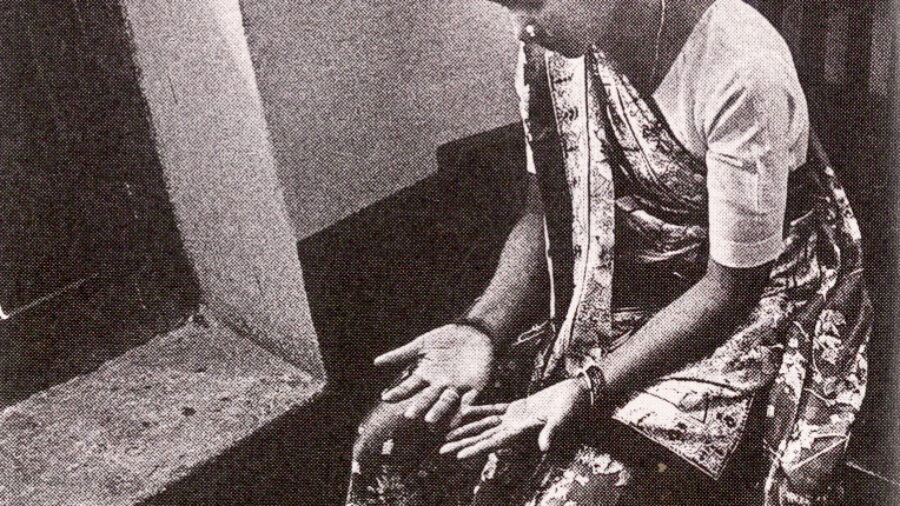
Phoolan Devi was eleven years old when she was handed to a man three times her age. She had no say. No understanding of what was happening to her. No one with the power — or the will — to protect her from what followed.
Her child marriage did not simply mark the beginning of her suffering. It enabled every injustice that came after: the abuse with no recourse, the isolation from her family, the vulnerability that made her a target. When she tried to escape, she was punished. When she fought back, she was punished again.
Her story is a precise and devastating illustration of what child marriage actually costs a girl. It is also far from unique.
The Prevalence of Child Marriage
Child marriage — forcing girls into marriage before the age of 18 — remains a pervasive and devastating reality in India. Poverty, rigid gender norms, patriarchy, and lack of education drive millions of girls into lives of silence, subordination, and abuse.
According to the 2025 National Family Health Survey, 46% of women aged 18–29 were married before 18. That is nearly half a generation robbed of childhood, choice, and agency. Today, India has an estimated 23 million child brides — roughly 40% of all child brides worldwide.
The United Nations Population Fund (UNFPA) warns that if current trends persist, by 2030, over 140 million girls will become child brides, with at least 18.5 million under the age of 15.
The Law and Its Limits
The Prohibition of Child Marriage Act criminalizes child marriage — but only in theory. Once a marriage takes place, it is not automatically considered void. Children can technically challenge their marriages, but this ignores the brutal social pressures, family coercion, and psychological trauma they face in doing so.
The law offers some protection. It is not enough. Enforcement is inconsistent, particularly in rural areas and lower-caste communities where the state has the least presence and girls have the fewest advocates.
What Child Marriage Takes Away
Child marriage is not a tradition. It is violence. It steals childhood. It silences girls. It perpetuates inequality across generations — because a girl who is married young is less likely to stay in school, more likely to experience domestic violence, more likely to become pregnant before her body is ready, and less likely to ever achieve financial independence.
Behind every statistic is a version of Phoolan’s story: a girl handed to a man before she had the tools to protect herself, paying the price for a decision she was never given the right to make.
Take Action
Below is an organization fighting on the front lines against child marriage in India. If this issue moves you, consider supporting their work.
Vasavya Mahila Mandali (VMM) — India
https://www.vasavya.com
Support the Film | Explore Other Issues | Learn Her Full Story