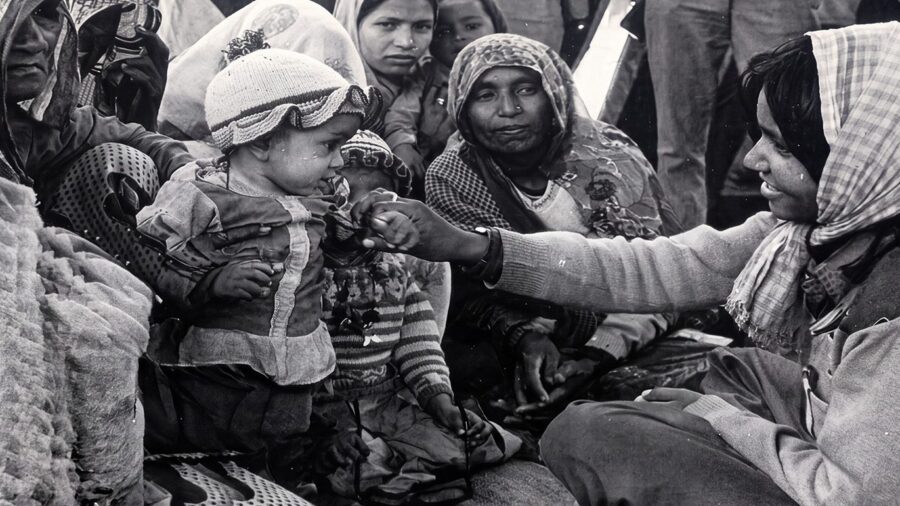
Phoolan Devi was born into poverty in rural India, married off at eleven, and survived ten days of gang rape at the hands of upper-caste men. She went on to become India’s most wanted fugitive, served eleven years in prison, and won a seat in Parliament — the first low-caste woman ever elected. Decades before movements against sexual violence, caste discrimination, and gender inequality had names, Phoolan Devi was already living the answer to one question: why?
Why Now?
Because something is happening.
A new generation is losing patience with the world it inherited. From the streets of New York to Delhi, from campuses to villages, young people are questioning old hierarchies, inherited privilege, violence against women, and the idea that the circumstances of your birth should determine the boundaries of your life.
Phoolan asked those same questions long before they became hashtags.
A poor, lower-caste village girl with almost no education looked at the world around her and asked a dangerous question: Why?
Why should some people have power and others none? Why should a woman accept violence because society tells her to? Why should caste, poverty, or gender decide the size of a human life?
Nearly thirty years after her assassination, the world has caught up with Phoolan’s questions.
That is why now.
Phoolan’s questions about caste, poverty, and violence against women are the same questions this film explores in depth — alongside the political exclusion and poverty that shaped her life from the start. Support the film bringing her story — and these questions — to a new generation.