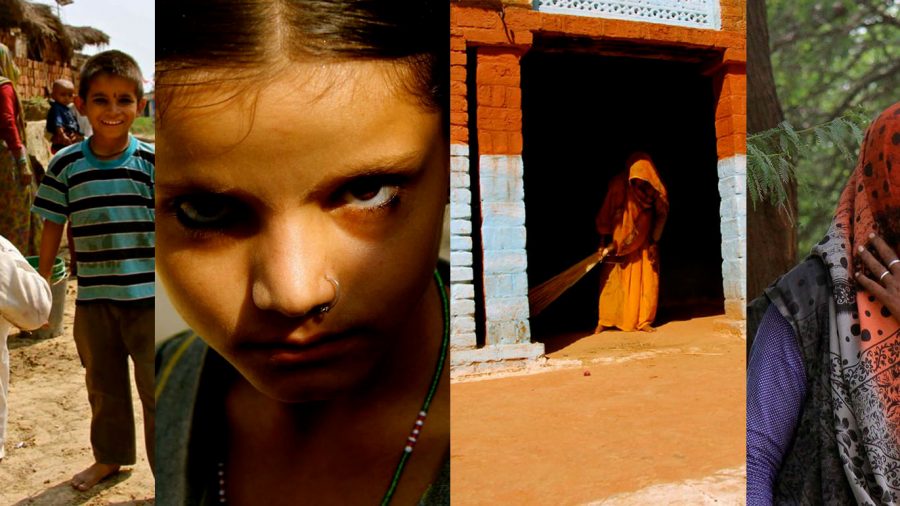
Phoolan Devi’s life was defined by forces that still destroy lives today. She endured child marriage, sexual violence, caste-based oppression, and political exclusion — not as abstractions, but as daily realities. This film exists not only to tell her story, but to shine a light on the systems that made her story possible — and that continue to harm women across India and the world.
Sexual Violence Against Women in India
Phoolan Devi was gang-raped for ten days. Her experience was extreme — but it was not exceptional. Sexual violence against women in India remains pervasive, systematically underreported, and deeply entangled with caste hierarchy. Lower-caste women face disproportionate rates of sexual assault, and justice remains elusive when perpetrators belong to dominant castes.
Read More About Sexual Violence
Child Marriage in India
Phoolan Devi was married at eleven. Child marriage robs girls of education, health, and autonomy — and remains widespread despite being illegal. India has an estimated 23 million child brides — roughly 40% of all child brides worldwide.
Read More About Child Marriage
Political Underrepresentation of Women in India
When Phoolan Devi won her seat in Parliament, she was a poor, illiterate, formerly incarcerated low-caste woman. Her election was considered by many to be impossible. Women — particularly lower-caste and rural women — remain dramatically underrepresented in Indian politics at every level.
Read More About Political Under-representation
Poverty and Gender Inequality in India
Phoolan Devi was born into a family with no land, no power, and no protection. Poverty is not merely a backdrop to her story — it is a weapon used against her at every turn. In 2024–25, 216 million people in rural India lived below the poverty line.
These issues are why this film exists. Help us bring Phoolan Devi’s story to the world.